
This article contains affiliate links. If you buy through them, we may earn a commission at no extra cost to you. See our affiliate disclosure.
This is general fitness information, not medical advice. Talk to a doctor before changing your training, diet, or supplements
How to Build a Smart Home Gym on a Budget
As a fitness enthusiast, you know how frustrating it can be to try to fit in a workout at a crowded gym during peak hours. Not to mention the cost of gym memberships, equipment rental, and classes. But what if you could have your own personal gym at home, with the freedom to work out whenever and however you want? Sounds like a dream, right? Well, it’s not as far-fetched as you might think.
Let’s face it: creating a home gym can be a daunting task, especially on a budget. But with some careful planning and research, you can build a smart home gym that fits your needs and your wallet. In this article, we’ll explore the basics of building a home gym, and provide you with some budget-friendly options to get you started.
Problem: Limited Space and Budget
One of the biggest challenges when building a home gym is finding space. Whether you live in a small apartment or a sprawling house, it can be tough to carve out a dedicated area for exercise. And even if you have the space, you may not have the budget to invest in a full range of equipment.
Personal note: I remember when I first started trying to build my own home gym. I was living in a tiny studio apartment and had to get creative with my space. I ended up using a set of resistance bands and a folding exercise bike, which worked surprisingly well for a while. But eventually, I realized I needed something more substantial. That’s when I started researching smart home gym options, and discovered that I didn’t need to break the bank to get started.
Section 1: Essential Equipment
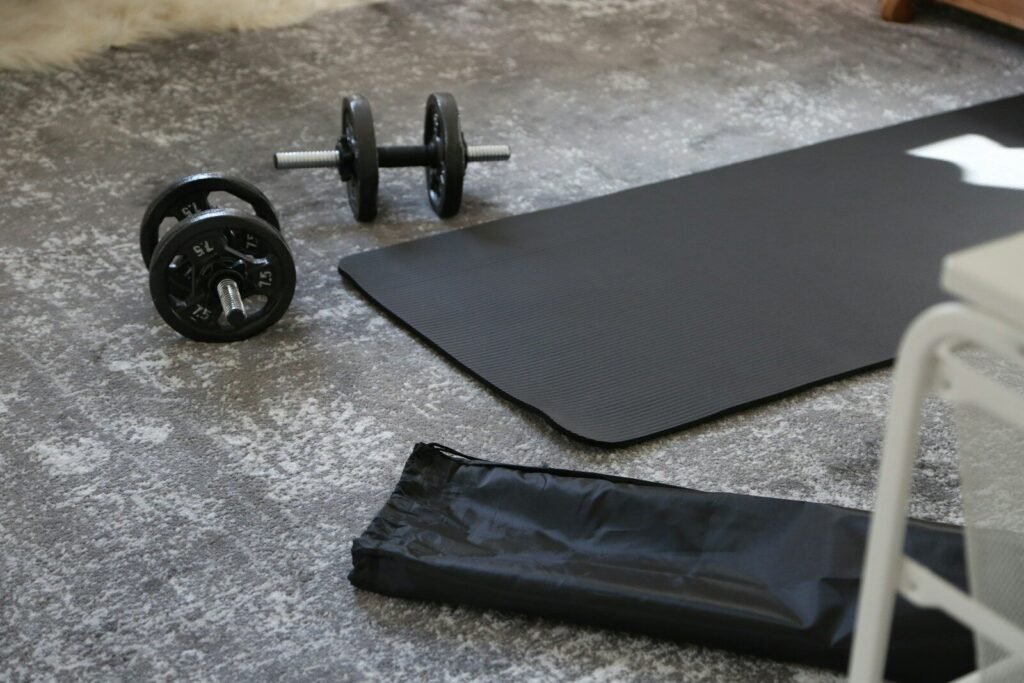
When building a home gym, it’s essential to start with the basics. These are the pieces of equipment that you’ll use most frequently, and that will provide the most bang for your buck. Here are some must-haves to consider:
- A good exercise mat: This is the foundation of any home gym, providing comfort and support for your joints.
- Adjustable dumbbells: These are a versatile and space-saving option that can replace a whole rack of dumbbells.
- A kettlebell: This is a great all-around weight that can be used for strength training and cardio.
- A resistance band system: These are lightweight, portable, and inexpensive, making them perfect for small spaces.
Budget-friendly options:
- A good exercise mat: You can find a decent one for around $20-$30.
- Adjustable dumbbells: Try a budget-friendly option like the Ideal Fitness Dumbbell Set ($50-$100).
- A kettlebell: Look for a basic one-pound kettlebell for around $10-$20.
- A resistance band system: Get a basic set for around $10-$20.
Mid-range options:
- A high-end exercise mat: Upgrade to a premium mat for around $50-$70.
- Adjustable dumbbells: Consider a higher-end option like the Bowflex SelectTech 552 ($200-$250).
- A kettlebell: Invest in a higher-weight kettlebell for around $30-$50.
- A resistance band system: Get a more advanced set with multiple resistance levels for around $30-$50.
Premium options:
- A top-of-the-line exercise mat: Go for a high-end option like the Airex Pad ($100-$150).
- Adjustable dumbbells: Invest in a high-end option like the Nautilus Adjustable Dumbbell Set ($300-$400).
- A kettlebell: Get a high-end kettlebell for around $50-$100.
- A resistance band system: Get a premium set with multiple resistance levels and a carrying case for around $50-$100.
Section 2: Smart Home Gym Technology
Once you have the basics covered, you can start thinking about smart home gym technology. This is where things get really interesting, as you can integrate your equipment with fitness tracking apps and other smart devices to take your workouts to the next level.
Here are some options to consider:
- Smart exercise equipment: Look for equipment that integrates with popular fitness apps like Fitbit or Apple Health.
- Wi-Fi enabled exercise machines: These machines can be controlled and tracked remotely using your smartphone or tablet.
- Heart rate monitoring: Invest in a heart rate monitor that can track your progress and provide real-time feedback.
Budget-friendly options:
- A basic smart exercise equipment: Look for a budget-friendly option like the Fitbit Coach ($50-$100).
- Wi-Fi enabled exercise machines: Try a budget-friendly option like the NordicTrack T Series ($100-$200).
- Heart rate monitoring: Get a basic heart rate monitor for around $20-$50.
Mid-range options:
- A mid-range smart exercise equipment: Consider a mid-range option like the Under Armour Health Box ($200-$300).
- Wi-Fi enabled exercise machines: Upgrade to a higher-end option like the Peloton Bike ($1,000-$1,500).
- Heart rate monitoring: Invest in a mid-range heart rate monitor for around $50-$100.
Premium options:
- A high-end smart exercise equipment: Go for a premium option like the Whoop Strap ($300-$400).
- Wi-Fi enabled exercise machines: Invest in a high-end option like the Echelon EX-3 ($1,000-$1,500).
- Heart rate monitoring: Get a premium heart rate monitor for around $100-$200.
Section 3: Storage and Organization
Once you’ve got your equipment, you need to think about storage and organization. This is where a little creativity and planning can go a long way.
Here are some tips to keep your home gym organized and clutter-free:
- Invest in a good storage unit: Look for a sturdy storage unit that can hold all your equipment.
- Use wall-mounted hooks: Hang your equipment on the wall to save space and keep your floor clear.
- Get a good shelving system: Invest in a shelving system that can hold your weights, kettlebells, and other equipment.
Budget-friendly options:
- A basic storage unit: Look for a budget-friendly option like the Rubbermaid Storage Unit ($50-$100).
- Wall-mounted hooks: Try a set of basic hooks for around $10-$20.
- Shelving system: Get a basic shelving system for around $30-$50.
Mid-range options:
- A mid-range storage unit: Consider a mid-range option like the Rubbermaid Stackable Storage Unit ($100-$200).
- Wall-mounted hooks: Upgrade to a higher-end option like the Over-the-door hooks ($20-$50).
- Shelving system: Invest in a mid-range shelving system for around $50-$100.
Premium options:
- A high-end storage unit: Go for a premium option like the Lifetime Storage Unit ($200-$300).
- Wall-mounted hooks: Get a high-end option like the wall-mounted hooks with a built-in shelf ($50-$100).
- Shelving system: Invest in a premium shelving system for around $100-$200.
Conclusion
Building a smart home gym on a budget requires some planning and research, but it’s definitely possible. By starting with the basics and investing in smart home gym technology, you can create a personalized workout space that fits your needs and your wallet. Remember to think creatively about storage and organization, and don’t be afraid to get a little creative with your space. Happy building!