
This article contains affiliate links. If you buy through them, we may earn a commission at no extra cost to you. See our affiliate disclosure.
This is general fitness information, not medical advice. Talk to a doctor before changing your training, diet, or supplements.
Best Recovery Tools for Sore Muscles
Are you tired of feeling like you’ve been put through a wringer after a tough workout? Do sore muscles keep you from reaching your fitness goals? You’re not alone. Many of us face the same problem, and it’s not just about being lazy or not taking care of ourselves. Proper recovery is crucial for muscle growth, injury prevention, and overall performance.
But what are the best tools to help us recover from those grueling workouts? Let’s take a closer look.
Foam Rolling: A Game Changer?
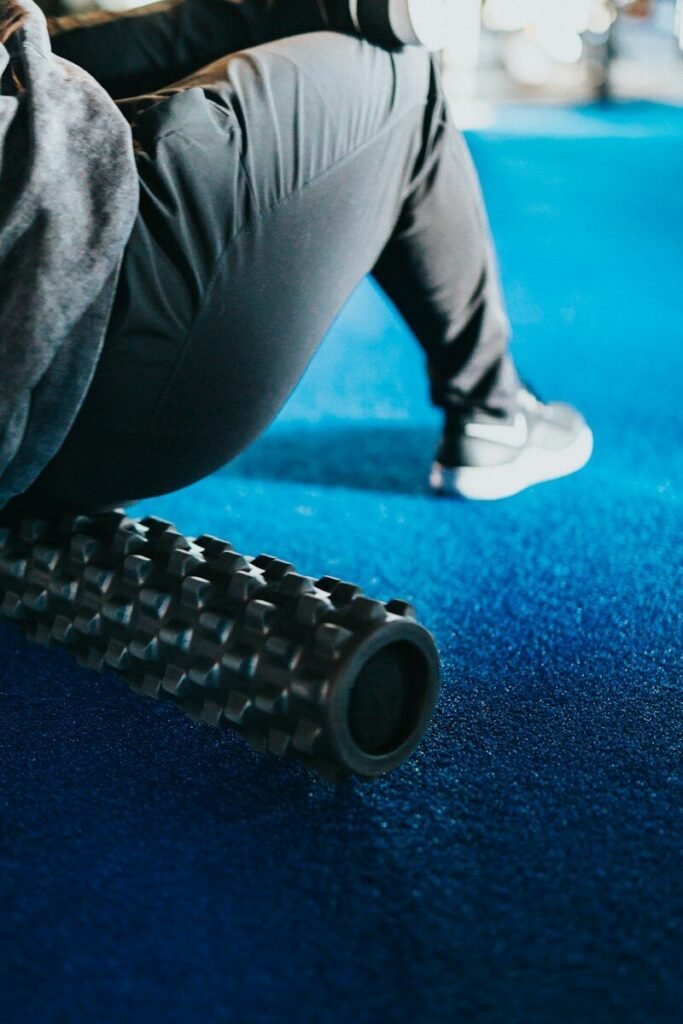
Foam rolling has become a staple in many gyms and homes. It’s a simple, low-cost way to improve circulation, reduce muscle tension, and even help with muscle repair. But not all foam rollers are created equal.
For those on a tight budget, consider a basic foam roller ($15-$25 CAD). This will get you started, but you may find it lacking in effectiveness. Mid-range options ($30-$50 CAD) offer more density and texture, making them a better choice for those who use foam rolling regularly. Premium foam rollers ($60-$100 CAD) are made with high-quality materials and have a more ergonomic design, providing better support for your joints.
Personal note: I remember using a cheap foam roller for months, thinking it was doing the job. But after switching to a mid-range one, I noticed a significant difference in my recovery time. I could finally tackle my morning runs without feeling like I’d been put through a war.
Compression Garments and Wraps
Compression clothing and wraps have become increasingly popular in the fitness world. The idea is that by applying pressure to the affected area, you can help reduce swelling and promote faster recovery. But do they really work?
For a budget-friendly option, consider a pair of compression socks ($20-$30 CAD). These can be worn during and after exercise to help improve circulation. Mid-range compression sleeves ($40-$60 CAD) offer more targeted support and are often used by athletes. Premium compression wraps ($80-$120 CAD) provide the most intense compression and are designed for high-level athletes or those with specific injury concerns.
Heat and Cold Therapy
Heat and cold therapy are age-old recovery techniques. They can help reduce muscle soreness, improve circulation, and even aid in injury recovery. But which one is best?
For a low-cost option, consider a hot water bottle ($10-$20 CAD). This is a simple and effective way to apply heat to sore areas. Mid-range options ($30-$50 CAD) include electric heating pads or cold compresses. Premium options ($60-$100 CAD) are more advanced, with features like adjustable temperature control and multiple heat settings.
Massage and Self-Massage Tools
Massage has long been touted as a key component of recovery. But what about self-massage tools? These can be a game-changer for those who can’t afford regular massages or prefer to recover at home.
For a budget-friendly option, consider a hand-held massager ($20-$30 CAD). These are portable and easy to use, providing a good base level of massage therapy. Mid-range options ($40-$60 CAD) include more advanced self-massage tools, such as those with interchangeable heads or variable speed controls. Premium options ($80-$120 CAD) are high-end devices designed for professional use.
Conclusion
Recovery is just as important as training when it comes to reaching your fitness goals. By incorporating the right tools into your routine, you can improve your recovery time, reduce muscle soreness, and even prevent injuries. Whether you’re on a tight budget or willing to invest in premium gear, there’s something for everyone.
So, what’s next? Take a closer look at your current recovery routine and identify areas for improvement. Consider investing in a few key tools to help you recover faster and stronger. Remember, recovery is not just about feeling good – it’s about performing at your best.