
This article contains affiliate links. If you buy through them, we may earn a commission at no extra cost to you. See our affiliate disclosure.
This is general fitness information, not medical advice. Talk to a doctor before changing your training, diet, or supplements
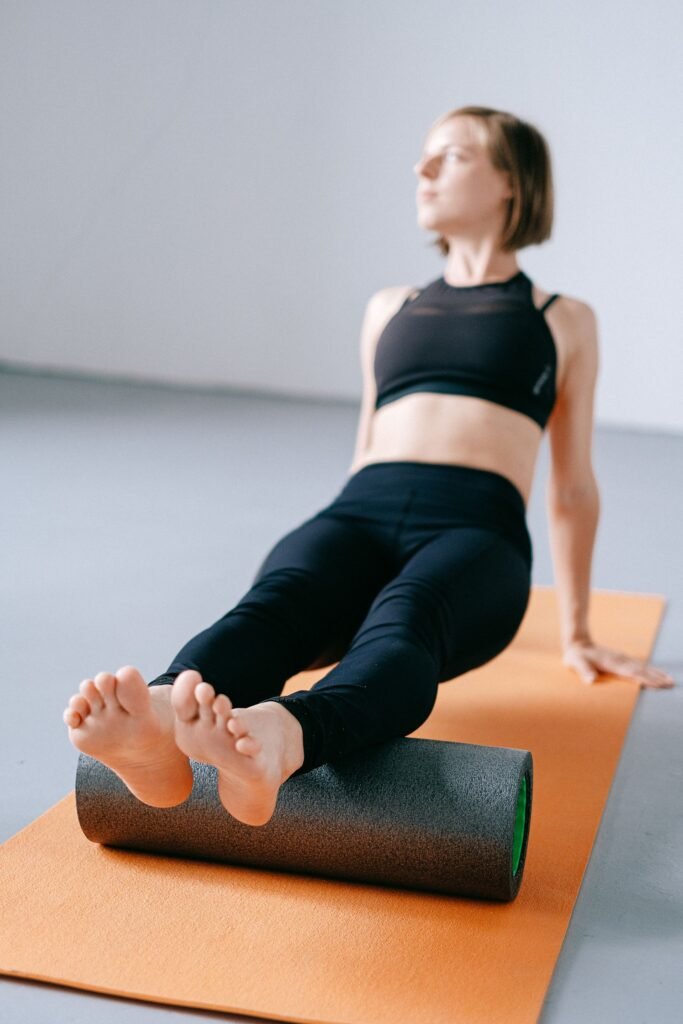
The Ultimate Guide to Foam Rolling for Muscle Recovery
Are you tired of waking up with sore muscles after a tough workout? Do you struggle to recover from intense training sessions? Foam rolling has become a staple in many athletes’ and fitness enthusiasts’ recovery routines, but with so many options available, it can be overwhelming to choose the right one. In this guide, we’ll explore the benefits of foam rolling, how to use it effectively, and provide recommendations for different budgets.
What is Foam Rolling?
Foam rolling is a self-myofascial release (SMR) technique that involves using a tool to apply pressure to specific areas of the body. This pressure helps to break up adhesions in the muscles and connective tissue, promoting blood flow and reducing muscle soreness. Unlike traditional massage, foam rolling allows you to target specific areas and apply the right amount of pressure.
Benefits of Foam Rolling
Foam rolling has numerous benefits for muscle recovery. Some of the most significant advantages include:
- Reduced muscle soreness and inflammation
- Improved circulation and reduced muscle tension
- Enhanced flexibility and range of motion
- Better recovery after intense exercise
Using Foam Rolling for Muscle Recovery
To get the most out of foam rolling, it’s essential to use it correctly. Here are some tips to keep in mind:
- Start slow: Begin with gentle pressure and gradually increase as needed.
- Focus on tight areas: Identify areas of tension and apply pressure for 30-60 seconds.
- Roll in different directions: Move the foam roller in different directions to target specific muscle groups.
- Don’t roll over bony areas: Avoid rolling over joints or bony prominences, as this can cause discomfort or injury.
Choosing the Right Foam Roller
With so many foam rollers on the market, choosing the right one can be daunting. Here are some options to consider:
- Budget-friendly: A basic foam roller from a sports store like Canadian Tire or Sport Chek can cost as little as $20-$30. These rollers are usually made of a dense foam and are a great starting point for beginners.
- Mid-range: For a more durable and versatile option, consider a foam roller with a textured surface or adjustable hardness. These rollers can cost between $50-$70 and are a good choice for intermediate users.
- Premium: High-end foam rollers with advanced features like temperature control or built-in massage nodes can cost upwards of $100. These rollers are ideal for experienced users or those with specific needs.
Personal Observation:
I recall a particularly grueling leg day session where I was struggling to recover. My quads were sore, and I was feeling fatigued. I decided to try foam rolling for the first time, focusing on my IT band and quadriceps. After 10-15 minutes of rolling, I noticed a significant reduction in soreness and improved circulation. From that day on, I made foam rolling a regular part of my recovery routine.
Advanced Foam Rolling Techniques
Once you’re comfortable with the basics, you can explore more advanced techniques to take your recovery to the next level. Some options include:
- Trigger point therapy: Use the foam roller to target specific trigger points and release tension in the muscles.
- Plyometric rolling: Apply rapid, bouncing motions to specific areas to increase circulation and break up adhesions.
- Partner rolling: Work with a partner to target hard-to-reach areas or increase pressure.
Conclusion
Foam rolling is a simple yet effective way to improve muscle recovery and reduce soreness. By choosing the right foam roller and using it correctly, you can take your recovery to the next level. Remember to start slow, focus on tight areas, and don’t be afraid to experiment with advanced techniques. With consistent practice, you’ll be on your way to faster recovery and improved performance.
Next Steps:
If you’re new to foam rolling, start with a basic foam roller and experiment with different techniques. For intermediate users, consider investing in a mid-range foam roller with advanced features. Whatever your budget or experience level, foam rolling is a valuable addition to any recovery routine.