
This article contains affiliate links. If you buy through them, we may earn a commission at no extra cost to you. See our affiliate disclosure.
This is general fitness information, not medical advice. Talk to a doctor before changing your training, diet, or supplements.
Plantar Fasciitis for Beginners: What Actually Helps
I’m sure I’m not the only one who’s ever woken up to a throbbing pain in the bottom of my foot, wondering how it got there in the first place. Plantar fasciitis is a common affliction that can turn a simple morning walk into a painful ordeal. If you’re one of the many Canadians who’s struggling with this issue, you’re not alone.
So, what’s going on? In simple terms, plantar fasciitis occurs when the plantar fascia, a band of tissue that runs along the bottom of your foot, becomes inflamed. This can be caused by overuse, poor footwear, or even just getting older. Think of it like a chronic ache that refuses to go away.
As frustrating as it is, the good news is that there are ways to alleviate the pain. And the best part? You don’t need to break the bank to try them out. Here are a few practical solutions to get you started:
Stretch it out
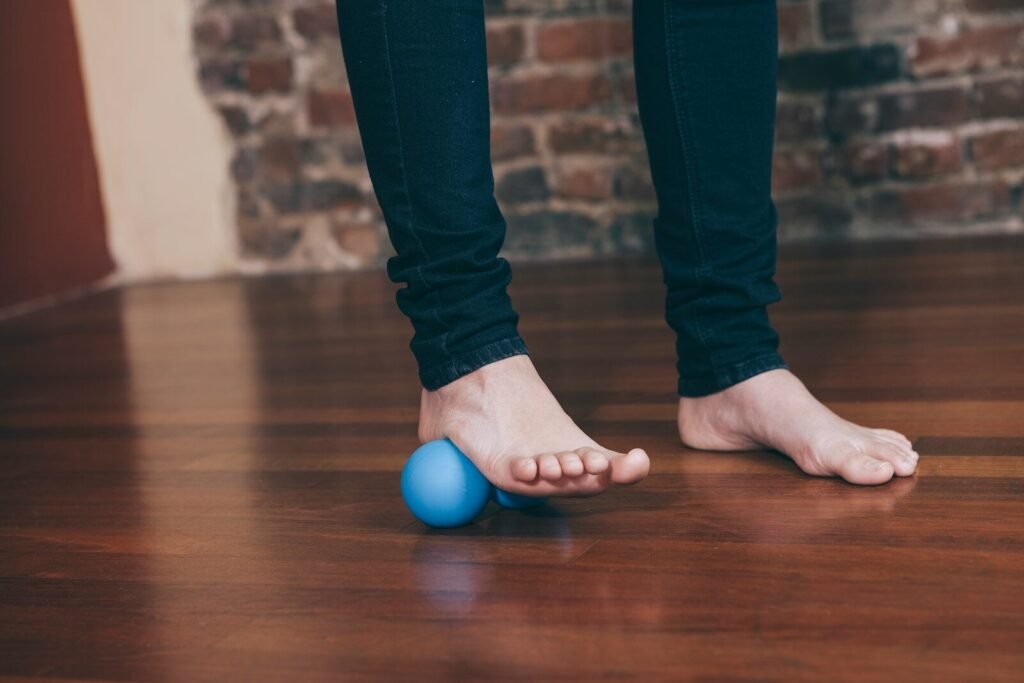
First things first, stretching is key. You can try simple exercises like toe curls, heel raises, and calf stretches to loosen up the plantar fascia. A foam roller can also be your new best friend – use it to roll out the bottom of your foot and release tension. You can find these at most sporting goods stores or online for around $20-$30.
Get the right shoes
Wearing shoes with good arch support can make a huge difference. Look for shoes with a sturdy sole and a comfortable fit. You may also want to consider investing in orthotics or arch supports – these can be custom-made or purchased over-the-counter for around $50-$100.
Try some RICE
Rest, Ice, Compression, and Elevation (RICE) is a simple yet effective way to manage plantar fasciitis pain. Give your foot a break and take a load off for a few hours. Apply an ice pack to reduce inflammation, use compression bandages to keep the swelling down, and elevate your foot above the level of your heart.
Personal note: I’ve been there myself, and trust me, it’s not fun. I remember waking up one morning to find that I’d strained my plantar fascia while running. The next few days were a blur of pain and frustration. But with some patience and the right tools, I was able to get back on my feet – literally.
Massage your way to relief
A massage gun can be a lifesaver for plantar fasciitis sufferers. These devices use percussive therapy to loosen up tight muscles and reduce pain. Look for one with multiple speed settings and interchangeable attachments – these can be found online for around $100-$200.
Consider a night splint
If you’re finding it hard to get comfortable at night, a night splint can be a great investment. These devices keep your foot in a neutral position, reducing strain on the plantar fascia while you sleep. You can find them at most medical supply stores or online for around $20-$50.
So, what’s the first step to take? Take a few minutes each day to stretch your foot and roll out the tension. It might not seem like much, but it’s a great starting point. And who knows, you might just find some relief in the process.