
This article contains affiliate links. If you buy through them, we may earn a commission at no extra cost to you. See our affiliate disclosure.
This is general fitness information, not medical advice. Talk to a doctor before changing your training, diet, or supplements
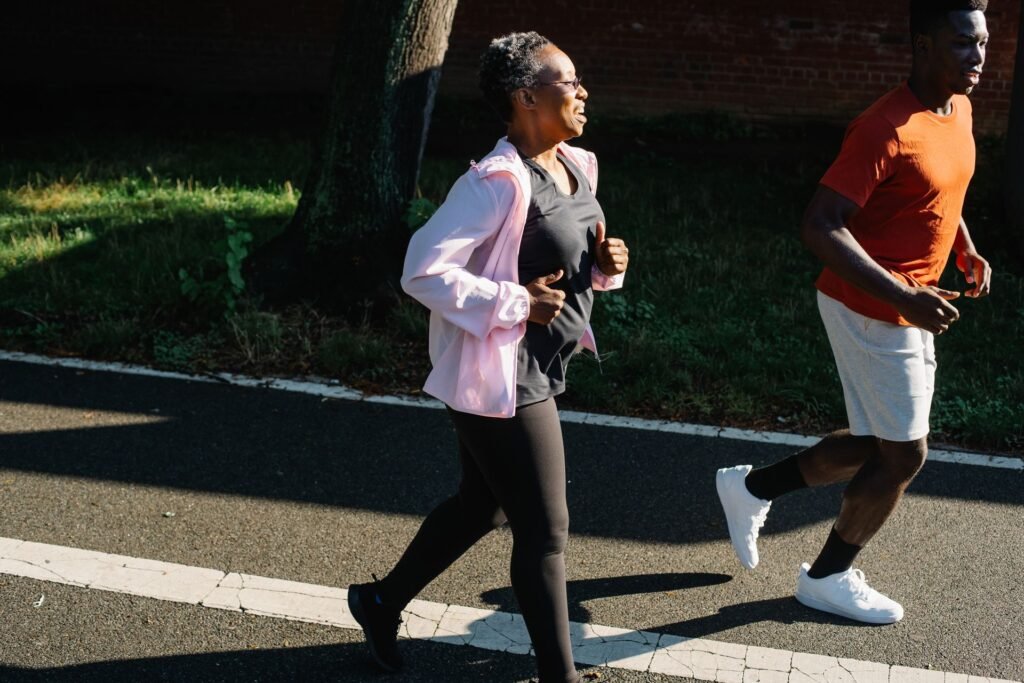
As a beginner runner, you’re probably wondering where to start, and that’s why we’ve put together this beginner running guide to help you get on the right track. You’ve probably seen a lot of gear on store shelves, and you’re not sure what you actually need to hit the ground running.
Beginner’s Guide to Running: What You Actually Need
Essential Equipment for a Beginner Running Guide
As a beginner runner, you’re probably wondering where to start. You’ve seen runners pounding the pavement, and you want to join them, but you’re not sure what you need to get started. You’ve probably seen a lot of gear on store shelves, and you’re overwhelmed by the options.
A beginner running guide recommends investing in proper footwear, comfortable clothing, and a good pair of running socks to ensure a smooth start.
Let’s face it: running can be intimidating, especially if you’re new to exercise. But with the right gear and a little know-how, you can start enjoying the benefits of running in no time.
Getting the Right Shoes
Shoes are the most important piece of gear for running. Without proper footwear, you can end up with injuries that’ll keep you off the road for weeks. So, what do you need to look for in a pair of running shoes?
First, consider your foot type. Do you have flat feet or high arches? If so, you’ll need shoes that provide extra support and cushioning. Look for shoes with a sturdy heel counter and a supportive arch.
Next, think about your running style. Do you tend to overpronate or supinate? If so, you’ll need shoes that can correct your stride. Look for shoes with a neutral or supportive ride.
Finally, don’t be afraid to try on several different pairs. You may be surprised at how different shoes feel on your feet.
Some popular options for beginners include:
- Brooks Ghost: A supportive and cushioned shoe for runners with high arches or plantar fasciitis. ($130-$160 CAD)
- Asics Gel-Kayano: A supportive and stable shoe for runners with flat feet or overpronation. ($140-$170 CAD)
- New Balance Fresh Foam: A comfortable and supportive shoe for runners with neutral foot types. ($80-$120 CAD)
Clothing and Accessories
Once you’ve got the right shoes, it’s time to think about clothing and accessories. You’ll want to dress in layers to stay comfortable while you’re running. A good rule of thumb is to wear a moisture-wicking base layer, a breathable mid-layer, and a windbreaker or jacket on top.
For colder climates, consider investing in a good pair of running tights or leggings. These will keep your legs warm and dry, even in the coldest temperatures.
Some popular options for running clothing include:
- Lululemon Run: A popular choice for running tights and leggings. ($80-$120 CAD)
- Nike Dri-FIT: A breathable and moisture-wicking mid-layer for running. ($20-$50 CAD)
- Under Armour HeatGear: A warm and breathable base layer for running. ($20-$50 CAD)
Gear and Electronics
While not essential, some runners find that gear and electronics make their runs more enjoyable. Consider investing in a good pair of running headphones or earbuds to listen to music or podcasts while you’re running.
If you’re planning to run in low light, consider investing in a reflective vest or armband. These will help you stay visible and safe while you’re running.
Some popular options for running gear and electronics include:
- Jaybird Vista: A popular choice for wireless earbuds. ($130-$160 CAD)
- Nike+ Run Club: A free app that tracks your runs and provides personalized coaching. (Free)
- Garmin Forerunner: A GPS watch that tracks your runs and provides advanced analytics. ($200-$300 CAD)
Personal note: I remember when I first started running, I thought I needed a fancy GPS watch to track my progress. But what I really needed was a good pair of shoes and some comfortable clothing. It wasn’t until I started running regularly that I realized how much more important it was to focus on my form and technique rather than trying to track every little detail. Now, I just use a basic running app on my phone to track my runs.
Putting it all Together
Now that you’ve got the basics covered, it’s time to think about how to put it all together. Remember, running is a journey, not a destination. Focus on building up your endurance and enjoying the process, rather than trying to rush to the finish line.
Start by setting realistic goals for yourself. Whether it’s running a certain distance or completing a certain number of runs per week, make sure you’re setting goals that are achievable and motivating.
Next, find a running buddy or join a running group to stay motivated and accountable. Running with a friend or group can be a great way to stay motivated and make the experience more enjoyable.
Finally, don’t be afraid to take it slow and easy. Remember, the most important thing is to have fun and enjoy the process. With the right gear and a little know-how, you’ll be running like a pro in no time!
Conclusion
Getting started with running can seem intimidating, but with the right gear and a little know-how, you’ll be on your way in no time. Remember to focus on building up your endurance and enjoying the process, rather than trying to rush to the finish line. Start by investing in a good pair of shoes, some comfortable clothing, and a basic running app or GPS watch. And most importantly, don’t be afraid to take it slow and easy – the most important thing is to have fun and enjoy the experience.
What’s Next?
So, where do you go from here? Start by investing in a good pair of shoes and some comfortable clothing. Then, find a running buddy or join a running group to stay motivated and accountable. Finally, start building up your endurance by running regularly and setting realistic goals for yourself. With time and practice, you’ll be running like a pro in no time!
Related reading: Meal Prep Failing Every Week? Simplify It.
For general activity guidelines, see Government of Canada – being active.