
This article contains affiliate links. If you buy through them, we may earn a commission at no extra cost to you. See our affiliate disclosure.
This is general fitness information, not medical advice. Talk to a doctor before changing your training, diet, or supplements.
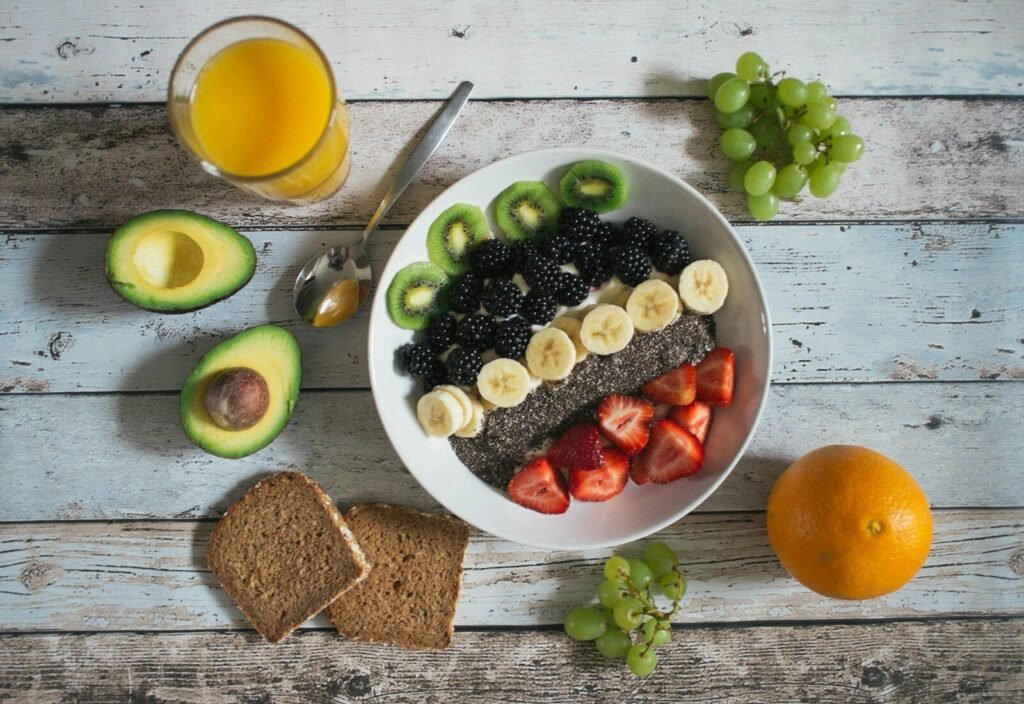
Eating Healthy Feels Too Expensive? Start Here
I’m sitting here with you, sipping our coffee, and I know exactly what you’re thinking. “I want to eat healthier, but it costs too much. I’m tired of sacrificing taste for a ‘better’ diet.” You’re not alone. Many of us struggle to afford fresh produce, lean proteins, and whole grains without breaking the bank.
The truth is, eating healthy doesn’t have to be a luxury reserved for the wealthy. The problem lies in our perceptions and habits, not the food itself. Most of us are accustomed to buying cheap, processed foods that are high in sugar, salt, and unhealthy fats. These foods may be affordable, but they’re also cheap for a reason – they’re often made from low-cost ingredients that are high in empty calories. When we prioritize price over nutrition, we end up paying more in the long run with our health.
Let’s face it, eating healthy can be expensive, especially when you’re starting from scratch. But that doesn’t mean you can’t make a change. Here are three practical solutions to help you eat healthier without draining your wallet:
1. Meal Planning and Grocery List
Before you head to the grocery store, take some time to plan out your meals for the week. Look up healthy recipes online, and make a list of the ingredients you need. Sticking to a plan will help you avoid impulse buys and reduce food waste. Consider using a planner or app to organize your meals and grocery list. A simple notebook or a spreadsheet will do the trick.
When shopping for ingredients, focus on seasonal produce, which is often cheaper than out-of-season options. Buy in bulk if you can, but be mindful of storage space and expiration dates. For proteins, consider opting for affordable options like beans, lentils, or canned fish.
2. Shop Smart
Grocery shopping can be a challenge, especially when you’re trying to stick to a budget. One way to save money is to shop at discount stores or dollar stores for non-perishable items like canned goods, oils, and spices. These stores often carry a surprisingly wide selection of healthy staples at affordable prices.
When shopping at regular grocery stores, look for sales and discounts on fresh produce and meats. Consider buying “ugly” or “imperfect” fruits and vegetables, which are often cheaper than their cosmetically perfect counterparts. Don’t be afraid to ask store staff about upcoming sales or promotions.
3. Cook from Scratch
While it’s tempting to rely on pre-packaged meals or takeout, cooking from scratch is often the cheapest and healthiest option. Start with simple recipes and ingredients, and gradually experiment with new flavors and techniques. Invest in a few basic kitchen tools, like a good knife, a can opener, and a set of measuring cups.
When cooking from scratch, focus on using affordable protein sources like beans, lentils, and eggs. These ingredients are not only cheap but also packed with nutrients. Consider making a big batch of rice or grains to use throughout the week, and roast a large quantity of vegetables to use in future meals.
**
Personal note: ** I vividly remember the first time I tried cooking lentils. I was a university student, struggling to afford healthy food on a tight budget. A friend had given me a simple recipe, and I was amazed at how affordable and delicious lentils were. Since then, I’ve made lentils a staple in my diet, and I’ve found that they’re an excellent source of protein and fiber.
In addition to these practical solutions, here are a few more tips to help you eat healthier without breaking the bank:
- Use herbs and spices to add flavor to your meals, rather than relying on expensive sauces and condiments.
- Shop at local farmer’s markets or join a community-supported agriculture (CSA) program to access fresh, locally grown produce.
- Consider investing in a slow cooker or Instant Pot, which can help you cook meals efficiently and affordably.
So, what’s the first step you can take today to start eating healthier without overspending? Take 10 minutes to plan out your meals for the next three days, and make a list of the ingredients you need. Then, head to the grocery store with a clear plan and a determination to make healthy eating a priority.