
This article contains affiliate links. If you buy through them, we may earn a commission at no extra cost to you. See our affiliate disclosure.
This is general fitness information, not medical advice. Talk to a doctor before changing your training, diet, or supplements.
Knee Pain When Running? Check These 5 Things First
Are you a beginner runner who’s just started to notice that your knees ache after hitting the pavement? Or maybe you’ve been running for a while, but lately, the knee pain has become more frequent and debilitating. You’re not alone. I’ve had my fair share of knee issues when I first started running, and I’ve learned that it’s often not about the running itself, but about a few underlying factors.
Knee pain when running is a common issue, especially for beginners. One of the main reasons for this is overuse. When you’re new to running, your body isn’t used to the repetitive impact of hitting the ground, which can put strain on your knee joint. Additionally, poor running form, inadequate warm-up and cool-down routines, and insufficient strengthening exercises can all contribute to knee pain.
Let’s break it down further. When you run, your knees absorb the impact of each step, which can cause inflammation and irritation in the joint. If your running shoes are old or poorly fitting, they can exacerbate the problem by not providing enough support or cushioning. Moreover, if you’re not stretching or strengthening your legs properly, you may be putting additional stress on your knees, leading to pain and discomfort.
So, what can you do about it? Here are five practical solutions to try today:
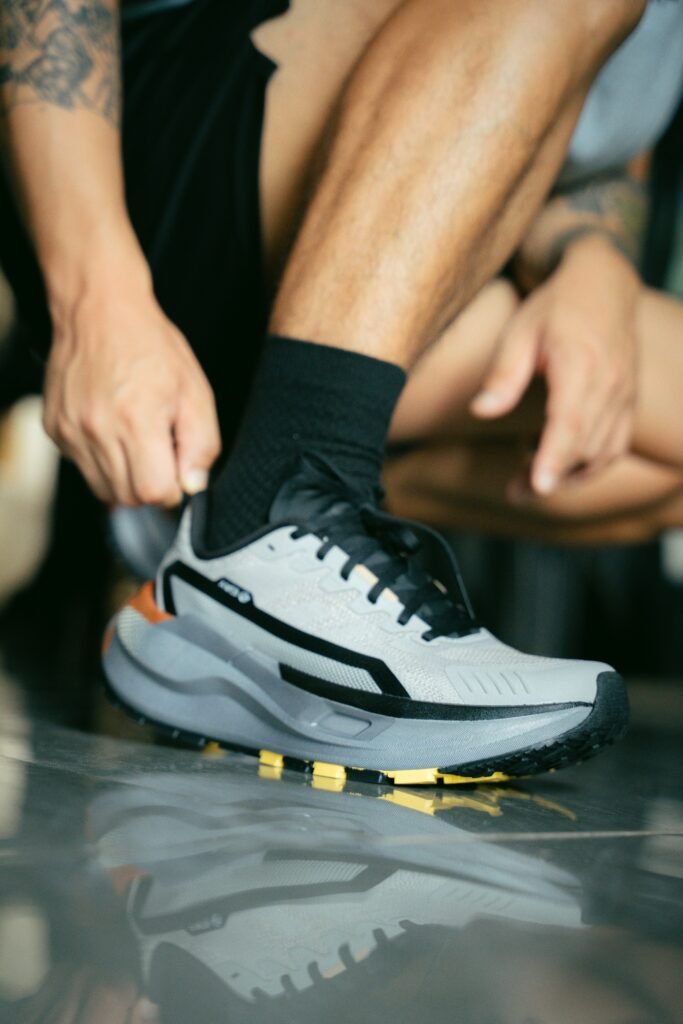
- Check your running shoes: If your shoes are old or worn out, it’s time to get a new pair. Look for shoes with good arch support and cushioning. A pair of supportive running shoes, such as the Brooks Ghost or the Asics Gel-Kayano, can make a big difference.
- Strengthen your core and legs: Weak core and leg muscles can contribute to poor running form and increased knee stress. Incorporate exercises like squats, lunges, and leg press into your strength training routine. You can also try a foam roller to loosen tight muscles and improve flexibility.
- Pay attention to your running form: Make sure you’re landing midfoot or forefoot when you hit the ground, rather than heel striking. This can help reduce the impact on your knees. Try to keep your posture upright and your arms relaxed, with a gentle bounce in your step.
- Incorporate stretching and foam rolling: Regular stretching and foam rolling can help reduce muscle tension and improve flexibility. Focus on stretching your hamstrings, quadriceps, and hip flexors, and use a foam roller to roll out your IT band and calves.
- Gradually increase your mileage: Don’t try to do too much too soon. Gradually increase your running mileage and intensity to give your knees time to adapt. This will also help prevent overuse injuries.
Personal note: I remember when I first started running, I would get knee pain after every run. It was frustrating and made me wonder if I was cut out for this running thing. But then I started incorporating strength training and stretching into my routine, and the knee pain started to disappear. It’s amazing how much of a difference it can make when you take the time to take care of your body.
In conclusion, knee pain when running is a common issue, but it’s often a sign that something needs attention. By checking your running shoes, strengthening your core and legs, paying attention to your running form, incorporating stretching and foam rolling, and gradually increasing your mileage, you can reduce your knee pain and enjoy running without discomfort. Take it one step at a time, and remember to listen to your body.
Take Action: Next time you go for a run, pay attention to your body and take regular breaks to stretch and foam roll. This will help you identify any areas of tension and prevent knee pain from becoming a bigger issue.