
This article contains affiliate links. If you buy through them, we may earn a commission at no extra cost to you. See our affiliate disclosure.
This is general fitness information, not medical advice. Talk to a doctor before changing your training, diet, or supplements.
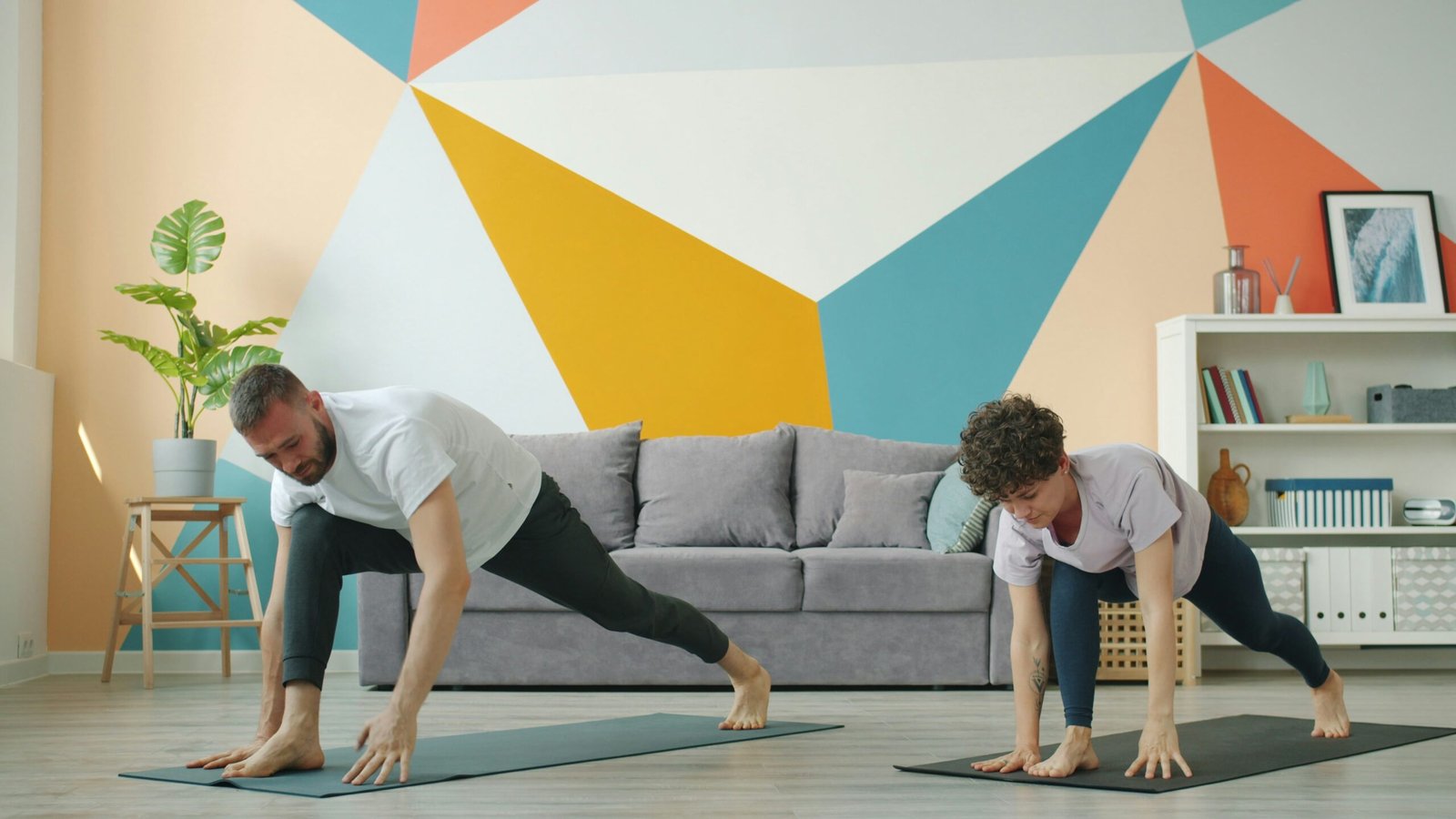
Welcome to your new journey toward a healthier, stronger, and more confident you! Whether you’re a busy parent, a student with a packed schedule, or someone who simply prefers the comfort of your own home, this guide is designed to help you build a solid foundation for home fitness. In Canada, where the weather can be unpredictable and urban living is common, home workouts offer a convenient, cost-effective, and flexible way to stay active. With the right mindset, tools, and plan, you can achieve your fitness goals without ever leaving your living room.
This article will walk you through everything you need to know to get started, from setting realistic goals to building a home gym that fits your budget and lifestyle. We’ll also cover essential exercises, recovery strategies, and nutrition tips tailored to Canadian winters and summer heat. Let’s dive in!
Why Home Fitness Works

When it comes to staying fit, home workouts have become a game-changer, especially for Canadians who value convenience, affordability, and flexibility. Unlike traditional gyms, which often require memberships, travel time, and social interactions, home fitness allows you to exercise at your own pace, in your own space. Here’s why it’s the perfect choice for beginners:
1. Convenience and Time-Saving
In Canada, where winters can be long and harsh, or summers can be sweltering, the weather can make going to a gym uncomfortable or even impossible. A home gym eliminates the need to commute, wait in line, or deal with crowded locker rooms. You can work out in the morning before your kids wake up, during a lunch break, or in the evening after a long day. This flexibility makes it easier to stick to your fitness routine, even on busy days.
2. Cost-Effective
Gym memberships can be expensive, especially in cities like Toronto, Vancouver, or Montreal, where prices can exceed $100 per month. A home gym, on the other hand, allows you to invest in equipment that lasts for years—think of it as a long-term investment in your health. A basic home gym setup can cost as little as $150 CAD, and with the right tools, you’ll have everything you need to build strength, improve endurance, and stay active for years to come.
3. Privacy and Comfort
For some people, the idea of working out in front of others can be intimidating. Home fitness removes that pressure, allowing you to focus on your goals without judgment. Whether you’re doing bodyweight exercises, lifting weights, or stretching, you can create a space that feels welcoming and motivating. Plus, you can customize your environment with music, lighting, or even a motivational playlist to make your workouts more enjoyable.
4. Tailored to Your Needs
One of the biggest advantages of home fitness is that it’s entirely customizable. You can design a routine that suits your fitness level, interests, and goals. If you enjoy yoga, you can incorporate daily sessions. If you’re into high-intensity workouts, you can try HIIT (High-Intensity Interval Training) or resistance training. The best part? You can adjust your plan as you progress, ensuring that your workouts remain challenging and engaging.
5. No Equipment? No Problem!
You don’t need a huge budget or a dedicated gym space to start working out. Many effective exercises can be done with just your body weight, such as push-ups, squats, and planks. If you’re looking to add some variety or increase intensity, you can gradually invest in a few key pieces of equipment, like resistance bands, a stability ball, or a jump rope.
Setting Your Goal

Before you start exercising, it’s essential to set clear, achievable goals. Goals give you direction, motivation, and a way to measure your progress. Without a goal, it’s easy to lose focus or get discouraged. Here’s how to set the right goals for your home fitness journey:
1. Start with SMART Goals
SMART goals are Specific, Measurable, Achievable, Relevant, and Time-bound. This framework helps you create goals that are realistic and easy to track. For example:
- Specific: “I want to lose 5 kilograms in the next three months.”
- Measurable: “I will exercise 4 days a week for 30 minutes each session.”
- Achievable: “I can gradually increase my workout intensity as I improve.”
- Relevant: “I want to improve my overall health and energy levels.”
- Time-bound: “I will complete this goal within 12 weeks.”
2. Choose a Goal That Motivates You
Your goal should align with what you care about most. If you’re looking to improve your posture, focus on exercises that target core strength and flexibility. If you want to boost your energy levels, prioritize cardio and endurance training. Think about how you’ll feel when you achieve your goal—does it make you excited, proud, or more confident? Let that feeling drive your efforts.
3. Break It Down
Big goals can feel overwhelming, so break them into smaller, manageable steps. For example, if your goal is to run a 5K, start by walking for 10 minutes, then gradually increase your distance and intensity. Celebrate each small win, whether it’s completing a workout, improving your form, or feeling more energized.
4. Be Realistic
It’s important to set goals that are challenging but achievable. If you’re a beginner, don’t expect to run a marathon in a week. Instead, focus on building consistency and mastering basic exercises. Over time, you’ll be able to increase the difficulty of your workouts as your fitness improves.
5. Stay Flexible
Life happens, and it’s okay if your goals change. If you’re busy with work or family responsibilities, adjust your routine to fit your schedule. The key is to stay consistent and keep moving forward. Remember, progress is more important than perfection.
Essential Home Gym Starter Kit

Now that you have a clear goal, it’s time to invest in the right tools to make your home workouts effective and enjoyable. A well-equipped home gym doesn’t have to be expensive or take up a lot of space. Here’s a list of essential items to include in your starter kit:
1. Yoga Mat
A yoga mat provides cushioning and grip, making it easier to perform floor exercises like yoga, stretching, or Pilates. Look for a mat that’s 6mm thick for comfort and durability. A basic yoga mat costs around $30 CAD and can be found at sporting goods stores or online retailers like.
2. Resistance Bands
Resistance bands are versatile, affordable, and perfect for beginners. They can be used for strength training, flexibility, and even cardio. A set of 3-5 bands (with varying resistance levels) will give you the flexibility to target different muscle groups. A basic resistance band set costs about $20 CAD and is available at.
3. Adjustable Dumbbell Set
An adjustable dumbbell set is a game-changer for home gyms. Instead of buying multiple dumbbells, you can adjust the weight to suit your needs. Look for a set that offers weights ranging from 1kg to 15kg or more. A quality adjustable dumbbell set can cost between $80 and $150 CAD, depending on the brand and weight range. offers a great selection of adjustable dumbbells.
4. Stability Ball (Swiss Ball)
A stability ball adds an extra challenge to your workouts by engaging your core and improving balance. It’s ideal for exercises like squats, planks, and glute bridges. A standard stability ball (around 55cm in diameter) costs approximately $40 CAD and can be found at.
5. Jump Rope
A jump rope is an excellent tool for cardio, helping you burn calories and improve coordination. It’s also one of the most affordable pieces of equipment, with a basic model costing around $20 CAD. A good jump rope can be purchased at or local sporting goods stores.
6. Free Weights (Optional)
If you’re looking to add more intensity to your workouts, consider investing in free weights like barbells or kettlebells. These can be used for compound exercises like deadlifts, squats, and bench presses. A basic barbell and weights set can cost between $100 and $200 CAD, depending on the quality. offers a range of free weight options.
7. Foam Roller
A foam roller is a must-have for recovery and mobility. It helps reduce muscle soreness, improve flexibility, and enhance circulation. A basic foam roller costs around $25 CAD and is available at.
8. Exercise Mat or Bench (Optional)
If you’re doing weightlifting or need extra space for exercises like push-ups or pull-ups, consider investing in an exercise mat or bench. These can be purchased for around $40 CAD and are available at.
9. Storage Solutions
Keep your home gym organized with storage bins, shelves, or a wall rack. This will help you stay motivated by making your equipment easily accessible. Affordable storage solutions can be found at or local hardware stores.
By investing in these essential items, you’ll have everything you need to start your home fitness journey. Remember, you don’t need to buy everything at once—start with a few key pieces and add more as you grow more confident in your workouts.
Building Your First Workout Routine
Now that you’ve set your goals and gathered your equipment, it’s time to create a workout routine that fits your schedule and fitness level. A well-structured routine will help you stay consistent, avoid plateaus, and enjoy the process. Here’s how to build your first home workout plan:
1. Start with a Warm-Up

Before every workout, take 5-10 minutes to warm up your muscles and prepare your body for exercise. Simple warm-up exercises include:
- Jumping jacks (3 minutes)
- Dynamic stretches (e.g., leg swings, arm circles)
- Light cardio (e.g., brisk walking or cycling on a stationary bike)
A warm-up helps increase blood flow, reduce the risk of injury, and improve performance.
2. Choose Your Exercises
As a beginner, it’s best to start with bodyweight exercises that are easy to learn and don’t require much equipment. Some great options include:
- Bodyweight squats (targets legs and glutes)
- Push-ups (targets chest, shoulders, and triceps)
- Plank (targets core and stability)
- Lunges (targets legs and hips)
- Glute bridges (targets glutes and lower back)
- Mountain climbers (targets core and cardio)
If you have access to resistance bands or dumbbells, you can incorporate them to increase intensity. For example, use resistance bands for bicep curls or dumbbells for shoulder presses.
3. Design a Balanced Routine
A well-rounded workout should include a mix of strength training, cardio, and flexibility exercises. Here’s a sample routine for beginners:
- Warm-up (5-10 minutes)
- Strength Training (20-30 minutes): Focus on major muscle groups (legs, core, back, chest, arms).
- Cardio (10-15 minutes): Choose an activity you enjoy, such as jumping jacks, cycling, or jumping rope.
- Cool-down (5-10 minutes): Perform static stretches to relax your muscles and improve flexibility.
You can adjust the duration and intensity based on your schedule and fitness level. For example, if you’re short on time, focus on a 20-minute strength and cardio combo.
4. Schedule Your Workouts
Consistency is key to building a habit. Aim to work out 3-5 times per week, with at least one rest day in between. If you’re a busy parent or student, try to fit in workouts during your most energetic times of the day. For example, work out in the morning before your kids wake up or during a lunch break.
5. Track Your Progress
Keep a journal or use a fitness app to track your workouts, progress, and how you feel. Writing down your achievements, such as completing a new exercise or increasing your reps, will help you stay motivated. Celebrate small wins to keep your momentum going.
6. Stay Motivated
Staying motivated can be challenging, especially when you’re just starting out. To stay inspired, try these tips:
- Set small, achievable goals (e.g., doing 10 push-ups or 10 minutes of cardio).
- Find a workout buddy (even if they’re a friend or family member).
- Reward yourself for completing workouts (e.g., a new workout outfit or a favorite snack).
- Listen to music or podcasts to make your workouts more enjoyable.
Remember, the goal is to enjoy the process and stay consistent. Over time, your routine will become more refined, and you’ll start seeing results.
Cardio at Home
Cardiovascular exercise is essential for improving heart health, burning calories, and boosting endurance. While many people associate cardio with running or cycling, there are plenty of effective ways to get your heart pumping from the comfort of your home. Here’s how to incorporate cardio into your home fitness routine:
1. High-Intensity Interval Training (HIIT)
HIIT is a time-efficient way to boost your cardiovascular fitness. It involves short bursts of intense exercise followed by brief recovery periods. For example:
- Jump squats (30 seconds)
- Rest (1 minute)
- Mountain climbers (30 seconds)
- Rest (1 minute)
- Push-ups (30 seconds)
- Rest (1 minute)
- Jump rope (30 seconds)
- Rest (1 minute)
Repeat this circuit for 3-5 rounds. HIIT is perfect for busy schedules and can be done in as little as 15-20 minutes.
2. Jumping Jacks
Jumping jacks are a classic cardio exercise that requires no equipment and can be done anywhere. Start with 30 seconds, then gradually increase the time as you improve. You can also add variations, such as jumping jacks with arm circles or high knees.
3. Stair Climbing
If you have a staircase at home, use it to your advantage. Climbing stairs is an excellent way to improve cardiovascular fitness and burn calories. Try doing 30 seconds of stair climbing, rest for 30 seconds, and repeat for 10-15 rounds.
4. Stationary Bike or Elliptical
If you have access to a stationary bike or elliptical machine, these are great options for low-impact cardio. You can use them for 20-30 minutes per session, adjusting the resistance and speed to match your fitness level.
5. Jump Rope
A jump rope is one of the most efficient ways to get your heart rate up. Start with 30 seconds of continuous jumping, then rest for 30 seconds. Increase the duration as you become more comfortable.
6. Dance or Yoga
Dancing or yoga can be a fun and effective way to get your heart pumping. Choose your favorite music and move your body to the rhythm. Alternatively, try a yoga class that includes dynamic movements to improve flexibility and cardiovascular health.
7. Rowing Machine
If you have a rowing machine, it’s an excellent low-impact option for cardio. Rowing engages multiple muscle groups and provides a full-body workout. Aim for 20-30 minutes per session, focusing on maintaining a steady pace.
8. Walking or Running in Place
If you don’t have access to a treadmill or outdoor space, you can still get a great cardio workout by walking or running in place. Start with 5-10 minutes and gradually increase the time as you improve.
Incorporating cardio into your home fitness routine doesn’t have to be complicated. Choose activities that you enjoy and fit them into your schedule. Over time, you’ll notice improvements in your stamina, energy levels, and overall health.
Conclusion
Creating a home gym and building a workout routine can be a rewarding journey that leads to improved fitness, better health, and increased confidence. By setting clear goals, investing in the right equipment, and designing a balanced routine that includes strength training, cardio, and flexibility exercises, you’ll be well on your way to achieving your fitness objectives.
Remember, consistency is the key to success. Even small efforts can add up over time, and with dedication, you’ll start seeing results. Whether you’re a beginner or looking to take your fitness to the next level, your home is the perfect place to start. So, grab your gear, set your goals, and enjoy the journey of becoming the best version of yourself.
With the right mindset and resources, you can turn your home into a powerful fitness hub. Stay motivated, stay consistent, and embrace the process. Your health and well-being are worth the effort, and the journey is just as rewarding as the destination.
Now, go make your home gym shine! 🏋️♂️🧘♀️🚴♂️💪